The vast majority of a $170 million earmarked for combating “illegal” Chinese fishing operations was quietly “diverted” elsewhere, sources told Punchbowl News Thursday.
The One Big Beautiful Bill Act – President Donald Trump’s sprawling tax cut and spending package – included $170 million for “maritime domain awareness” technology designed to help monitor Chinese fishing vessels that lawmakers alleged were illegally operating in foreign waters, according to the report.
“But the Trump administration didn’t spend the money on that,” Punchbowl News’ report reads, citing information from a senior congressional official and a Trump administration official.
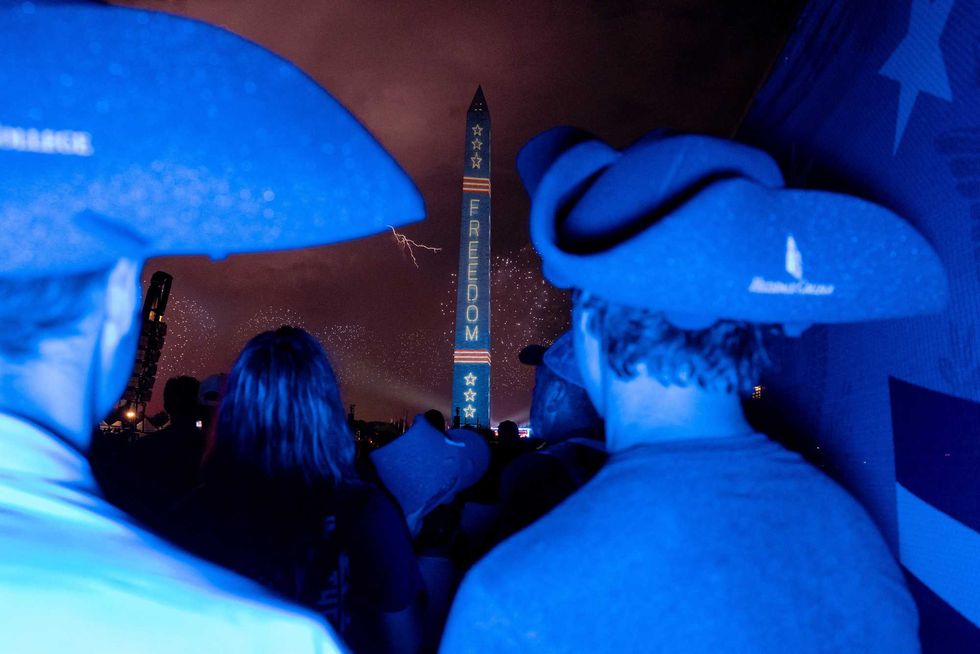
“Approximately $155 million of the $170 million funding pot was spent on counter-drone technology for events like World Cup matches and America250 tributes, including sensors that monitor and track drones in their vicinity, the officials said. The rest was used for Coast Guard communications technology and a Merchant Marine credentialing system.”
Sen. Ted Cruz (R-TX), who secured the $170 million in the One Big Beautiful Bill Act last year, admitted to Punchbowl News that “unfortunately, the bulk of the funding has not gone where it needed to go,” but declined to tell the outlet where the funds had actually been diverted to.
The $170 million was diverted by the Department of Homeland Security (DHS) under then-DHS Secretary Kristi Noem. When reached for comment, current DHS secretary Markwayne Mullin “didn’t respond” to Punchbowl News.
The One Big Beautiful Bill Act included significant cuts to social safety net programs, along with a permanent extension to the tax cuts implemented in 2017 under the first Trump administration, tax cuts of which the majority of the benefits benefit the top 1% of American earners. When factoring in its impact on the economy, the Congressional Budget Office projected that the bill would increase the national debt by as much as $4.7 trillion through 2035.