A Soyuz spacecraft carrying Russia's first humanoid robot on Saturday failed to dock automatically with the international space station, Moscow news agencies reported.
The craft launched a repeat of the docking manoeuvres after the failure of the first attempt, which had been scheduled for 0530 GMT, the agencies said.
Live broadcast of the event on the Russian space agency Roskomos was interrupted with the Soyuz spacecraft about 100 metres (109 yards) off the ISS.
The life-size robot, named Fedor, was to spend 10 days learning to assist astronauts in the space station.
Short for Final Experimental Demonstration Object Research, Fedor is the first ever sent up by Russia.
Fedor blasted off Thursday in a Soyuz MS-14 spacecraft from Russia's Baikonur cosmodrome in Kazakhstan and was to stay on the ISS until September 7.
Soyuz ships are normally manned on such trips, but this time no humans were travelling in order to test a new emergency rescue system.
Instead of cosmonauts, Fedor, also known as Skybot F850, was strapped into a specially adapted pilot's seat, with a small Russian flag in hand.
"Let's go. Let's go," the robot was heard saying during launch, repeating the famous phrase used by first man in space Yuri Gagarin.
The silvery anthropomorphic robot stands 1.80 metres (5 foot 11 inches) tall and weighs 160 kilogrammes (353 pounds).
Fedor has Instagram and Twitter accounts with posts saying it is learning new skills such as opening a bottle of water. It was to trial those manual skills in very low gravity.
Veterinarians have successfully harvested eggs from the last two surviving northern white rhinos, taking them one step closer to bringing the species back from the brink of extinction, scientists said in Kenya on Friday.
Science is the only hope for the northern white rhino after the death last year of the last male, named Sudan, at the Ol Pejeta Conservancy in Kenya where the groundbreaking procedure was carried out Thursday.
Two females, Najin, 30, and daughter Fatu, 19, are the only survivors of the subspecies of white rhino, and live under 24-hour armed guard at Ol Pejeta.
However neither is able to carry a calf. Fatu has degenerative lesions in her uterus and Najin has weak hind legs which could cause complications if she fell pregnant.
But an international consortium of scientists and conservationists has been working on a project costing several million euros to save the northern white rhino using pioneering artificial reproduction techniques that have taken years of research and development.
- Technique developed from scratch -
"We were able to harvest a total of 10 oocytes -- five from Najin and five from Fatu -- showing that both females can still provide eggs and thus help to save these magnificent creatures," said Professor Thomas Hildebrandt from the Leibniz Institute for Zoo & Wildlife Research (IZW) in Germany who helped carry out the procedure.
"Both the technique and the equipment had to be developed entirely from scratch," he said.
The eggs -- which cannot be frozen -- were immediately flown to a laboratory in Italy to be fertilised with cryogenically frozen sperm, of which there are samples from four deceased males.
AFP / Gal ROMA The northern white rhino is on the brink of extinction
The resulting embryos will then be frozen until they can be transferred into a surrogate mother from the southern white rhino subspecies. The first such rhino embryos using in-vitro techniques were created last year.
The team working on the project also includes Italian biotech laboratory Avantea, Czech zoo Dvur Kralove and the Kenya Wildlife Service (KWS).
"We are delighted that this partnership gets us one step closer to prevent extinction of the northern white rhinos. This is particularly touching given the heartbreaking death of Sudan, the last male, who died of old age last year in Kenya," said John Waweru, KWS director general.
Sudan gained worldwide fame in 2017 after he was featured on the popular dating app Tinder in an effort to raise money for the IVF procedure.
- Wiped out by poaching -
There are five rhino species remaining on earth of which black and white rhinos are found in Africa. The northern white rhino is generally considered a subspecies of white rhino although some scientists believe it to be a sixth species.
Rhinos have few predators in the wild due to their size.
However, demand for rhino horn in traditional Chinese medicine and dagger handles in Yemen fuelled a poaching crisis in the 1970s and 1980s that largely wiped out the northern white rhino population in Uganda, the Central African Republic, Sudan and Chad.
AFP/File / TONY KARUMBA By 2008 the northern white rhino was considered extinct in the wild
By 2008 the northern white rhino was considered extinct in the wild.
Modern rhinos have plodded the earth for 26 million years. As recently as the mid-19th century there were more than one million in Africa. The western black rhino was declared extinct in 2011.
- Obstacles to success -
If the IVF is successful, scientists say there may be several births of northern white rhino calves, but the approach has its limits.
Eggs can only be collected from the females three times a year, and a lack of genetic diversity could hamper the survival of the species.
However the consortium of international scientists known as BioRescue is also trying to create artificial sex cells known as gametes via stem cell transformation from the frozen tissue of other, unrelated northern white rhinos, to diversify the gene pool.
According to the team working on the project, the aim is to reintroduce the rhino into secure habitats within the areas they used to roam. This could take up to 70 years.
An estimated 92% of cancers caused by HPV could be prevented through vaccination, the US Centers for Disease Control and Prevention (CDC) said Thursday, adding that boosting immunization coverage was a key priority.
Human papillomavirus was responsible for an estimated yearly average of 34,800 cancer cases between 2012 and 2016, according to a new study published by the CDC, meaning that more than 32,100 cases could have been avoided annually.
The virus can lead to cancers in both men and women, including cancers of the cervix, vulva, vagina, penis, anus, and oropharynx (the back of the throat, including the base of the tongue and tonsils).
"A future without HPV cancers is within reach, but urgent action is needed to improve vaccine coverage rates," said Brett Giroir, assistant secretary for health.
"Increasing HPV vaccination coverage to 80 percent has been and will continue to be a priority initiative for HHS, and we will continue to work with our governmental and private sector partners to make this a reality."
The CDC recommends that all pre-teens get the HPV vaccine when they are 11 or 12 years old to protect them before they are ever exposed.
But new data showed little progress in increasing vaccination rates among 13- to 17-year-olds.
Overall, only 51 percent of teens received all their recommended doses, a two percentage point increase from 2017, with vaccination rates higher among teens whose parents received a recommendation from their doctor.
The report added that although the vaccine is not ordinarily recommended for people over the age of 26, some adults from ages 27 through 45 years who weren't previously vaccinated may benefit if they are at risk and should speak with their doctor for advice.
HPV vaccination is also key to preventing cervical cancer, the report added, recommending a Pap test every three years alongside an HPV test in women aged 21 to 29.
"The HPV test can provide additional information when Pap test results are unclear for women ages 21 and older," the report said.
Photographs snapped by a shoebox-sized probe that explored the near-Earth asteroid Ryugu have offered new clues about its composition, insights that will help scientists understand the formation of our solar system.
The German-French Mobile Asteroid Surface Scout (MASCOT) hitched a ride on Japan's Hayabusa2 spaceship, touching down on the 900-meter (3,000 feet) wide asteroid, whose orbit lies mostly between Earth and Mars, on October 3, 2018.
Ryugu's gravity is 66,500 times weaker than Earth's, and the forward motion of wheels would have launched MASCOT back into space.
So it instead hopped around the surface using the tiny amount of momentum generated by a metal swing arm attached to its boxy body, which weighed 10 kilograms (22 pounds).
In addition to taking temperature readings and other measurements, MASCOT reeled off a series of pictures showing the asteroid is covered with rocks and boulders that fall into one of two categories: dark and rough with crumbly surfaces that resemble cauliflowers, or bright and smooth.
"The interesting thing there is it really shows that Ryugu is the product of some kind of violent process," Ralf Jaumann of the German Aerospace Center and the lead author of a paper describing the findings in the journal Science on Thursday, told AFP.
Ryugu may be the "child" of two parent bodies that collided, broke up, and then came back together through gravity, the researchers say.
Another theory is that it could have been struck by another body that created different interior temperature and pressure conditions, resulting in the two types of material.
Many of the rocks also contained small blue and red "inclusions" -- material that was trapped in the rock during its formation -- making them extremely similar to a type of rare, primitive meteorites found on Earth called carbonaceous chondrites.
"This material is primitive material -- it's the very first material of the solar nebula," or the cloud of interstellar dust and gas that formed the planets of our system, said Jaumann.
Hayabusa2 will eventually return to Earth carrying samples, but MASCOT's observations provide information on the material's original geologic context: how it is exposed to temperature changes, how it gets weathered, and so on.
Why is this important?
"We don't know how planets formed in the beginning," said Jaumann.
"And in order to understand this, (we must) go to the small bodies, these primitive bodies, primordial in their history in their evolution, in order to understand the first 10 to 100 million years of planetary formation."
The remains of a prehistoric primate that lived high in the Andes 20 million years ago and was so small it could fit in your hand is helping scientists learn more about how human brains evolved.
In a study published Wednesday in the journal Science Advances, researchers in China and the US used high resolution imaging to examine the only known fossilized skull of the extinct Chilecebus, a New World monkey that scampered around ancient mountain forests, feeding on leaves and fruit.
One key finding: the brain size of primates, long assumed to have increased progressively over time, now appears to have followed a more roundabout path.
Primates are broadly split into two groups: Old World, from which our own species descended, and New World species of the Americas and Oceania.
"We see multiple episodes of expansion of the brain in each of these major groups, and we see several episodes of actual reduction of relative brain size in certain groups," co-author John Flynn of the American Museum of Natural History told AFP.
The research, led by Xijun Ni, at the Chinese Academy of Sciences, used X-rays and CT scans of the inside of the Chilebus' skull to determine its internal structure.
The fossilized skull has been precisely dated because it was discovered among volcanic rocks, and by placing the species within its bigger family tree, the team was able to infer that cerebral enlargement occurred repeatedly and independently in anthropoid evolution.
Though the Chilecebus was roughly around the size of a modern marmoset or tamarin, in contrast to those monkeys its brain had several grooves known as infolding that suggest a greater degree of cognitive complexity: in other words, brain size is not always linked to advancement.
What's more, in modern primates, the size of the visual and olfactory centers of the brain are inversely related, meaning that species with a strong sense of sight usually have a weaker sense of smell and vice versa.
But the researchers found that a small olfactory bulb in Chilecebus did not result in a stronger olfactory ability, meaning the two abilities aren't coupled as previously thought.
Flynn said the research bore testament to the secrets that could be unlocked from well-preserved ancient fossils.
"We can go out into the mountains and make this remarkable discovery 10,000 feet up in the Andes and be able to make insights about the evolution of our history, be able to test previous hypotheses.. (and) be able to understand the evolution of brain complexity in primates.
"That's a really amazing possibility from the discovery of one really well preserved fossil."
A pair of environmental groups on Tuesday filed suit against the President Donald Trump administration over the Environmental Protection Agency's recent approval of expanded use of the bee-killing pesticide sulfoxaflor across 200 million acres in 12 states.
The Center for Food Safety and the Center for Biological Diversity filed the suit (pdf) in the U.S. Ninth Circuit Court of Appeals against the EPA and agency administrator Andrew Wheeler.
In a statement, George Kimbrell, legal director at the Center for Food Safety, said the decision to allow the pesticide was "pure pro-pesticide politics."
"Trump's EPA can't justify throwing our already imperiled pollinators under the bus," said Kimbrell. "That's why the agency offered no chance for the public or independent researchers to comment. And that’s why we're suing them."
According to a press release announcing the litigation:
Today's lawsuit, filed in the 9th Circuit Court of Appeals, contends that before approving the sweeping new uses of sulfoxaflor, the EPA failed in its legal duty to compile "substantial evidence" required under the Federal Insecticide, Fungicide, and Rodenticide Act. FIFRA, as it's known, is the federal law underpinning the U.S. system of pesticide regulation, designed to protect applicators, consumers, and the environment.
The EPA also violated its duty to ensure that its approval of sulfoxaflor doesn't jeopardize the continued existence of endangered species by consulting on the effects of its actions with wildlife experts at the U.S. Fish and Wildlife Service and National Marine Fisheries Service.
Under the new approval, sulfoxaflor can be used on alfalfa, cacao, corn, cotton, grains, pineapple, sorghum, soybeans, and strawberries as well as on tree plantations, ornamental crops, and citrus orchards.
As Common Dreams reported on July 8, the EPA made the decision to allow use of the pesticide on June 20 and the Trump administration followed up in early July by announcing a halt on the collection of data on declining honey bee populations.
The consequences of such a move could be disastrous for the environment. Bees are important pollinators, and their population has declined in recent years.
The number of honey bee hives, vital to pollinating crops for the agricultural industry and other plants for wildlife, plummeted from 6 million in 1947 to 2.4 million in 2008. The worst honeybee hive loss on record occurred last winter as beekeepers reported a 40% loss of their colonies over the year.
In Brazil, as Common Dreams reported earlier Tuesday, use of pesticides has led to the deaths of at least half a billion bees.
Lori Ann Burd, the director of the environmental health program at the Center for Biological Diversity, said in a statement that the approval of the pesticide was a terrible mistake, "even for Trump's EPA."
"While leading scientists and countries across the globe are calling for eliminating harmful neonicotinoid pesticides like sulfoxaflor, Team Trump is cheerfully promoting its use like a corporate PR firm," said Burd. "It's nauseating."
Nachum Pachenick says he lived a nightmare for nearly two decades after being sexually abused and developing post-traumatic stress disorder -- until MDMA therapy came to his rescue.
"It's a life full of stress, pressure, nerves, anxiety, fatigue," the 46-year-old Israeli said from his home in Sde Boaz, a wildcat settlement in the occupied West Bank south of Jerusalem.
"You can't live like that."
Pachenick said relief came in 2014, when he took part in a clinical trial that included the use of MDMA, the active component in the drug known to nightclubbers as ecstasy.
The treatment's success on him and dozens of others has led Israel's health ministry to approve its own pilot for MDMA-assisted therapy for people with treatment-resistant PTSD.
Encouraged by trials so far, therapists involved hold out hope for its future treatment possibilities, though there have also been warnings that further investigation is needed.
Last year, a research team reported in the journal The Lancet Psychiatry that a trial in the United States showed positive results, but stressed such treatment should only be done hand-in-hand with psychotherapy under professional supervision.
During that trial, 85 "adverse events" -- including anxiety, headaches, fatigue and insomnia -- were reported by 20 participants. It was not clear however whether the MDMA or something else was responsible.
AFP/File / Linh PHAM MDMA is known to nightclubbers as ecstasy
Pachenick had been part of the second phase of three trials conducted in a number of countries under the auspices of the Multidisciplinary Association for Psychedelic Studies.
MAPS hopes to receive approval from the US Food and Drug Administration for the process by 2021.
The results of the trial's first two phases were "extraordinary", said Dr Keren Tzarfaty, a psychologist in charge of training therapists for MAPS in Israel.
"When we look at these people a year after the end of their treatment, we see that 68 percent of the people who received MDMA-combined therapy don't have (PTSD) anymore or are not defined as having PTSD," she said.
Recovery rates are especially impressive when taking into account the fact that "the people who reach us have tried everything", Tzarfaty said from her spacious clinic in the Israeli town of Hod Hasharon.
"Their trauma is resistant to medication, to psychotherapy; they come to us as a last resort."
- 'Brought me home' -
The third and final phase of the trials began in the second half of 2019, and demand far exceeded the mere 14 spots allotted for Israeli participants.
As a result, the Israeli medical establishment has decided to operate its own pilot program and allow dozens more to receive the treatment, which is done in a controlled setting.
"The Israeli health ministry decided to take the humane and responsible measure to start a pilot of 50 people suffering from PTSD who are resistant to other forms of treatment," said Dr Bella Ben Gershon, in charge of trauma for the Israeli health ministry.
Tzarfaty has facilitated the training of 30 Israeli therapists to work with MDMA.
PTSD is triggered by experiencing an event so traumatic it cannot be fully processed, leaving parts of the brain in a state of hyperarousal and harming its elasticity.
What MDMA has been found to do is "remove all the defenses, but also create lots of compassion to others and oneself", Ben Gershon said.
The drug can afford the joy and empathy those suffering from PTSD need to begin processing their trauma in the therapy sessions, Tzarfaty said.
The treatment includes 12-15 therapy sessions, all attended by both a male and female mental health professional.
Two or three of the sessions are under the influence of MDMA, administered in the form of a small pill.
While the PTSD of most Israelis taking part in the trial was caused by sexual assault, the country has also fought a series of conflicts, resulting in relatively high rates of the disorder, Ben Gershon said.
Tzarfaty said because of that, she believed the government had a moral duty to do what it could to help those suffering from it.
Most Jewish Israelis must perform mandatory military service.
The current trials with MDMA, a substance created in a laboratory in 1912, are part of the "renaissance" in the research of psychedelic substances and their application in psychiatry over the past decade, Tzarfaty said.
Pachenick said the effects of the treatment on him were dramatic.
"The process put me back on track, but in a more profound way brought me home, to myself," he said.
"I'm a much calmer person today. I have a family that's very dear to me -- all these things were very unstable beforehand."
Why is there plutonium in the soil of a national wildlife refuge that is five times higher than the rate that demands a "clean up?" It's a question Colorado state health officials are examining Tuesday after their soil sample readings showed 264 picocuries-per-gram found in Rocky Flats National Wildlife Refuge.
The Denver Post reported the findings of the radioactive substance, but toxicologists at the Colorado Department of Public Health and Environment said they don't believe "there is an immediate public health threat."
The site explained that the standard for toxic cleanup of the Rocky Flats plants was 50 picocuries per gram.
“We do believe that further sampling and analysis is needed to assess what this elevated sample may mean for long-term risks, and whether it is an isolated instance or a sign of a wider area of relatively high contamination,” said the department's director of hazardous materials, Jennifer Opila. “We are taking the sample result seriously because it is much higher than previous samples in the vicinity and higher than the cleanup standard.”
The testing came after the toxic substance was discovered last week and scientists sought further tests. That's when they learned the dangerous degree they were dealing with on the public land.
The area was the site where triggers for nuclear weapons were made for over 40 years.
Citizens are already starting to worry and they fear the Environmental Protection Agency is no longer in the business of keeping people safe.
"I want our fellow citizens around the Denver area to finally wake up and realize that the federal government is not watching your back on this area," Nick Hansen, co-founder of Rocky Flats Downwinders told Denver7. "It’s the federal government who caused this problem. It's the federal government who supposedly cleaned it up."
Bill Ray, executive director of the Jefferson Parkway Public Highway Authority, also told Denver7 that a second test that was done showed a lower level. The "inconsistent testing results from one soil sample" is now posing questions to the viability of the tests and what could be going on in the area.
A second planet has been discovered circling Beta Pictoris, a fledgling star in our own galaxy offering astronomers a rare glimpse of a planetary system in the making, according to a study published Monday.
"We talking about a giant planet about 3,000 times more massive than Earth, situated 2.7 times further from its star than the Earth is from the Sun," said Anne-Marie Lagrange, an astronomer at France's National Centre for Scientific Research and lead author of a study in Nature Astronomy.
The new planet, b Pictoris c, completes its orbit roughly every 1,200 days. Like its big sister b Pictoris b, discovered by Lagrange and her team in 2009, it is a gassy giant.
Visible with the naked eye, Beta Pictoris -- with a mass nearly twice that of the Sun -- is a newborn by comparison: only 23 million years old.
The Sun is more than 4.5 billion years old.
It is also relatively nearby, just over 63 light years, and surrounded by a disk of stellar dust.
This swirling halo of debris and gas was the first such configuration to be captured in image, making Beta Pictoris a celebrity star in the 1980s.
"To better understand the early stage of formation and evolution, this is probably the best planetary system we know of," Lagrange told AFP.
Observations show that the two planets are still taking shape.
B Pictoris c was discovered by analysing 10-years worth of high-resolution data obtained with instruments at the La Silla Observatory in northern Chile, run by the intergovernmental European Southern Observatory.
In 2014, scientists said b Pictoris b spins at a breakneck speed of some 25 kilometres per second (90,000 kph or 56,000 miles per hour).
Located in the southern constellation of Pictor -- "The Painter's Easel" -- Beta Pictoris is the second brightest star in its constellation.
A study published Monday links exposure to fluoridated tap water during pregnancy to lower IQ scores in infants, but several outside experts expressed concern over its methodology and questioned its findings.
Fluoride has been added to community water supplies in industrial countries to prevent tooth decay since the 1950s.
Very high levels of the mineral have been found to be toxic to the brain, though the concentrations seen in fluoridated tap water are generally deemed safe.
"We realized that there were major questions about the safety of fluoride, especially for pregnant women and young children," Christine Till at Canada's York University, senior author of the paper published in JAMA Pediatrics, told AFP.
"We know that decisions need to be based on evidence, and we had no evidence on whether fluoride in pregnancy was safe, and regardless of the outcome, that knowledge was really critical."
The study looked at 601 mother-child pairs across six Canadian cities, with 41 percent living in communities supplied with fluoridated municipal water.
The researchers said fluoridated water is supplied to around two-thirds of US residents, just over a third of Canadian residents and three percent in Europe.
After controlling for other toxins in their analysis, they found an increase in concentration of fluoride in pregnant mother's urine of one milligram a liter was associated with a 4.5-point lower IQ score in boys -- but not girls -- at age three or four.
When estimating the daily maternal fluoride intake instead of fluoride in urine, they found a one milligram increase in intake was associated with a deficit of 3.7 IQ points for both boys and girls.
Anticipating controversy, JAMA Pediatrics took the unusual step of issuing an Editor's Note that said the decision to publish the article was "not easy."
"Given the nature of the findings and their potential implications, we subjected it to additional scrutiny for its methods and the presentation of its findings."
But experts in fields ranging from statistics to toxicology to neuroscience expressed serious reservations.
"The key words in the paper are 'higher levels.'" said Oliver Jones, Associate Professor of Analytical Chemistry, RMIT University.
"The authors state that an increase of one milligram per liter (1 mg/L) increase in fluoride was associated with a 4.49 point lower IQ score but fluoride intake appears to have been below 1 mg/L for most people in the study, even for those with fluoridated water."
Stuart Ritchie, a psychologist at King's College London, added that it was "inconsistent" that the first analysis only found a significant result for boys not girls while the second analysis found an overall effect with no sex differences.
"I think the findings here are pretty weak and borderline," he said. "They might be interesting as part of a larger set of studies on this question, but alone they shouldn't move the needle much at all on the question of the safety of fluoride."
Many of the most common diseases, like heart failure, liver failure, Type 1 diabetes and Parkinson’s disease, occur when cells or whole organs fail to do their job. Wouldn’t it be fantastic if it were possible to replace cells in these defunct organs? That is exactly what physician-scientists in the field of regenerative medicine are trying to do.
I am a surgeon and stem cell scientist and am interested in regenerating failing organs with stem cells – because for many diseases we don’t have good treatment options yet.
In a recent paper, my colleagues and I figured out why stem cells derived from a patient’s own tissue are sometimes rejected by their own immune systems. We also developed a solution that we think may solve the problem: stem cells that are stripped of their immune features and can’t trigger rejection.
The search for the ideal starter cell
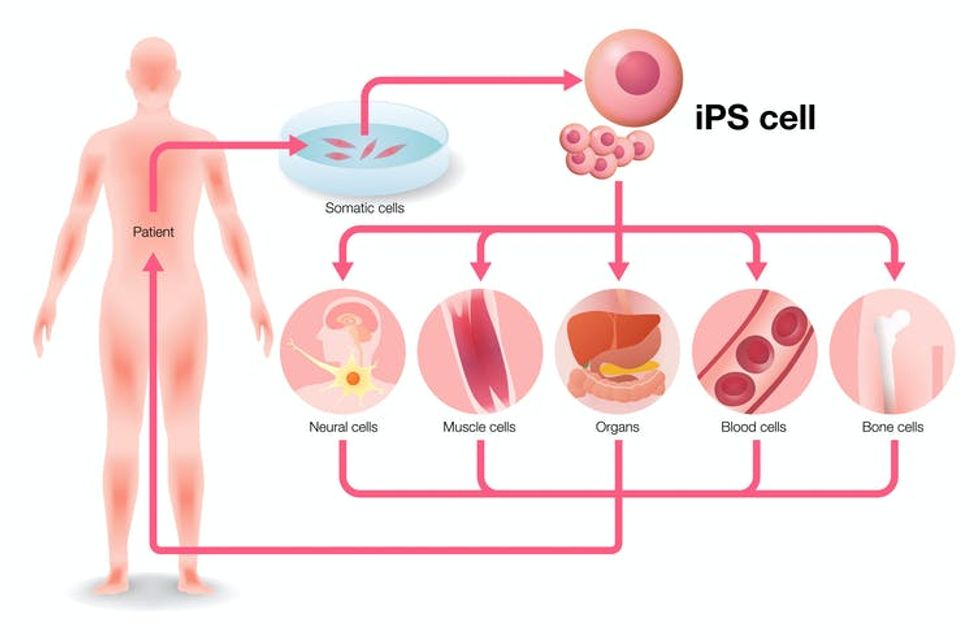
A few years ago a breakthrough occurred that many scientists believed would help fast-track the goal of regenerating organs. That was the identification of proteins that turn on genes that allowed researchers to reprogram adult cells. These proteins transformed cells back into their embryonic-like stem cell state. This gives them the capacity to turn into almost any cell type – like liver or heart or any other cell of interest.
These stem cells can theoretically be used as an inexhaustible source for cells. Scientists believed these cell products could be used to restore the functions of organs and treat diseases. However, regenerating cells and organs from a patient’s own cells and then returning them to that same patient turned out to be trickier than expected.
Researchers are still debating what is the ideal starting cell type for regenerative medicine. The cells required for these therapies can be grown in bioreactors in the lab. But for cell therapies to succeed, the biggest hurdle we have to overcome is immune rejection.
Like transplanted organs, transplanted cells are susceptible to attacks by the recipient’s immune system. Any cells generated from another individual have different proteins on their surface, called tissue antigens, that tag them as “foreign.”
Once tagged, white blood cells, which defend the body against bacteria, viruses and foreign tissue, target these therapeutic cells for destruction. Physicians use high-dose immunosuppressive drugs to silence this immune response so that patients can tolerate a transplanted organ. But these drugs have significant side effects.
To create cells for use in regenerative medicine, scientists envision large-scale collections of stem cells with diverse characteristics and specific tissue antigens. Then just as blood types can be matched, these cataloged stem cells could be matched to the recipient to avoid the patient’s immune system from rejecting these new cells.
One day, hospitals may have enough cell lines to match patients with stem cells based on tissue types. Whether enough cell lines can be banked to serve the wider patient population and whether this strategy will prevent immune responses is yet to be seen.
Adult cells are removed from patients, transformed into so-called induced pluripotent stem cells and then, using various chemicals, the cells are made to differentiate into different tissue types. Ideally these are then transplanted into the same patient to fix their damaged tissues.
Stem cells generated from a patient’s own cells – called autologous stem cells – are currently believed to be the most promising strategy for circumventing immune rejection. Autologous stem cells are generated directly from the patient seeking treatment and need to be differentiated into the cell type that needs to be replaced. Since the cells carry the same tissue antigens as the patient, they are tagged as “self,” and immunologists believe these cells are accepted by the immune system.
However, this notion may not be correct. In a previous study, our lab had revealed that minor genetic mutations in the DNA carried by a special part of the cell’s DNA, the mitochondrial DNA, can trigger an immune response.
Mitochondria are small structures inside cells that carry their own set of genes that are responsible for generating energy for the cell. Because every cell has many mitochondria, they carry many copies of the mitochondrial DNA. Spontaneous changes in mitochondrial genes, called mutations, alter the shape of the proteins they encode. These mutated proteins, which we call “neoantigens,” re-tag the cells as “foreign,” alert the immune system and target the stem cells for destruction.
Cells that lack immune features may be the solution
Our latest study reveals that neoantigens can spontaneously occur in a patient’s own cells. This renders them susceptible to rejection when used as part of stem cell-based treatment. We showed in mice and humans that minor changes in the mitochondrial DNA can occur when the patient’s cells are being reprogrammed into stem cells so that they can produce different types of cells. This can also happen while the cells are multiplying in plates or bioreactors outside of the body, giving rise to neoantigens.
The likelihood of neoantigens arising increases with the time it takes to manufacture a particular type of cell. If white blood cells recognize neoantigens after injecting the cells back into the animal or human, they may trigger a strong immune response leading to tissue rejection.
Neoantigens can thus jeopardize the whole strategy of autologous cell transplantation. So to use this form of cell transplantation, it may be necessary to test all cell products for mutations in the mitochondrial DNA.
To dodge the immune system and make regenerative stem cell therapies widely available to the general public, our lab aims to engineer stem cells lacking any immune features.
Modern gene editing tools now allow us to make very specific edits and create engineered cell products without any tissue type tags. We recently published our early success with both edited mouse and human stem cells, which survived after transplantation into different mouse models with different tissue types. This was the first report of “universal cells” that completely circumvented rejection by a foreign immune system. We believe this concept could lead to the manufacturing of universal cell products for all patients and has the potential to transform health care.
Plastic pollution has reached one of the most remote places on Earth: the Arctic. That is according to two separate studies released last week which found tiny plastic particles, known as microplastics, in Arctic snowfall and frozen within the sea ice.
A study by German and Swiss scientists found that snow falling in the Norwegian Arctic archipelago of Svalbard contained as many as 14,400 particles of plastic per litre.
They said it was likely the particles were being blown in from populated areas thousands of miles away, before being trapped in snow and falling to Earth.
Meanwhile, a US-led team of researchers discovered plastic particles frozen within arctic sea ice, after spending 18 days collecting ice core samples in the remote Northwest Passage.
"We're seeing plastics of different colours, different geometries, these beads and the filament,” said Brice Loose, chief scientist of Northwest Passage Project, which led the study.
“For us it was kind of a punch to the stomach to see what looked like a normal sea ice core in such a beautiful pristine environment but just chock-full of this material which is completely foreign to the environment."
Microplastics are plastic fragments less than 5 mm in length, produced by the breakdown of larger plastic debris.
They have been found in the soil, air, oceans and even bottled drinking water, though scientists say more research is needed to determine their effects on health and the environment.
The self-declared daredevil and Flat Earther“Mad” Mike Hughes is preparing for another launch in his homemade, steam-powered rocket in the Californian desert. His final goal is to reach the edge of space, but how likely is he to succeed and see that the Earth is actually spherical?
Hughes’ first rocket launch was in 2014, and since then he has taken off several times in his homemade machines – reaching an altitude of 572 metres at most. His adventures have led to a number of injuries, yet he is still determined to keep going. His latest attempt was scheduled for August 11, but was once again aborted after a fault with the rocket was discovered. He will retry on August 17.
Hughes believes that the Earth is flat and that he can prove that with his rocket travels (he has been given money by the Infinity Plane Society). He is willing to go out and literally risk his life to prove what he believes.
But whether he will get anywhere is a different matter. So let’s take a look at his rocket to see what potential pitfalls or successes he could have.
Rocket launch basics
The mathematics behind the speed a rocket launch can achieve was developed in the 1890s by a Russian schoolteacher called Konstantin Tsiolkovsky. His equation calculates a speed or velocity change based on how much of the rocket’s total mass is fuel – the more fuel you have the faster you can go – and how fast it can burn this fuel. In fact, the equation is still used to this day.
Orbital flight is a combination of altitude (vertical height) and horizontal velocity. To reach an orbit around the Earth you need two things. The first is to be travelling fast enough horizontally that you reach the curvature of the Earth before gravity pulls you to the ground. You also want as little atmosphere as possible, otherwise the enormous drag force from the air will both reduce your speed and heat your object up.
In the 1950s, the aerospace engineer Theodore Von Karman decided that the point where the atmosphere thins so much that normal aeronautical flight (requiring atmosphere) is impossible is at 100 kilometres up (62 miles). He dubbed this line, the edge of space, the Karman line. And to orbit at this height would require a horizontal speed of 7.8 kilometres per second, which is about 17,500 miles per hour.
To reach these speeds, you have to use very specific fuels and engine shapes, relying on the combustion of solids or liquids. As the fuel is heated and turned to gas it takes up a larger volume, and as such is pushed out the back of the engine, generating thrust. The more gas you can produce at higher temperatures, the faster your rocket goes.
Limitations and challenges
Hughes intends to use water as the fuel itself. The problem with water is that it does not boil quickly – it has a high specific heat capacity. This means it essentially takes too much energy to turn it into steam quickly enough to be able to generate a high thrust.
While we don’t know the specific dimensions for Hughes’ rocket, we can use his description of “95-100 gallons of water (360-379 litres), superheated”, “leaving the rocket at the speed of sound” and weighing “around 1,800 pounds” to calculate his potential maximum altitude using Tsiolkovsky’s rocket equation.
This requires us to know initial velocity (which is 330 metres per second), initial mass (which is 816 kilograms) and a final mass as all the water and steam are gone (this is 437 kilograms). The equation then gives a speed change of 206 metres per second. This means the maximum height he can reach is just over 2 kilometres, assuming he launches straight up (this is based on basic equations of motion, ignoring air resistance).
This is a very respectable height to reach on a homemade engine. But Mount Whitney, which is close to Hughes’ launch site in California, has a peak of almost 4.5 kilometres (2.8 miles). Neither altitude is anywhere close to the edge of space. It is not even high enough to see the curvature of the Earth, which requires a minimum height of about 10 kilometres (6.2 miles).
Despite this, Hughes has stated he wants funding to enable him to reach the Karman line in his next flight. Reversing our calculations, we can estimate that he would need a minimum velocity change of 1.4 kilometres per second (0.9 miles per second) to do that, and this would require his rocket to hold at least 29,000 litres of water (7,500 US gallons).
This is no easy feat as it would require a fuel tank with a volume of 30 cubic metres, which is roughly the carrying capacity of two long wheel base vans. The increased size of the fuel tank and supporting structure would then increase the final weight, which in turn would require even more fuel. The engineering required to contain the internal pressure of this water and turn it instantly into steam may be very difficult.
While Hughes’ current launch attempt may well succeed, the chances of a rocket with a 30 cubic metre fuel tank full of water taking off is close to impossible. At least he would avoid the catastrophe of the fuel exploding on the launch pad, which is a concern for more serious rocket launches. Commercial ventures such the Falcon rockets, and Blue Origin have put a lot of money into research and if they could use something as cheap as water to launch then they would do so.
Ultimately, Hughes will not make it anywhere near high enough to see the curvature of the Earth, but I suspect the adrenaline rush will more than make up for it. Personally, I wish him all the best for his next flight. I may not agree with his beliefs, his politics or his distrust of science, but I do applaud his spirit and attitude.




 AFP / Gal ROMA
  AFP/File / TONY KARUMBA
  AFP/File / Linh PHAM