



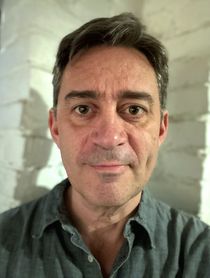


A judge officially dismissed felony vandalism charges against a former Olympic canoeist wrongly accused of damaging the Reflecting Pool during President Donald Trump's botched renovation of the landmark, but his exoneration is far from the end of the story.
House Judiciary Committee Democrats are preparing to investigate how the indictment against David Hearn came together in the first place, and that probe is a preview of how they might use congressional investigative powers when they have a majority, reported The New Republic.
Ranking member Rep. Jamie Raskin (D-MD) said his committee will formally demand documents from the Justice and Interior Departments related to the charging decision, along with any communications with the White House. "Judiciary Democrats will investigate who lied, who buried the evidence, and who decided to threaten an American citizen with prison simply to protect Trump's wounded feelings and continuing corruption," Raskin said. "Participants in this frame-up will be held to account."
At the center of the case is Jeanine Pirro, the U.S. Attorney for Washington, D.C. and a longtime Trump ally, whose office indicted Hearn in July on a felony property destruction charge, declaring at the time it had "tremendous evidence" of his guilt. Weeks later, Pirro's office moved to drop the case, acknowledging that information from the Interior Department showed the damage stemmed from a "botched installation," not vandalism.
Pirro has since accused Interior Secretary Doug Burgum of misleading prosecutors — an explanation that critics say doesn't account for why her office rushed to indict before receiving a full accounting of the damage.
"The more we learn, the worse it will likely get," wrote columnist Greg Sargent. "Hearn, 67, had claimed he’d merely stopped to observe the already-widely-discussed failures at the Reflecting Pool and dipped his hand in the water. Yet despite the plausibility of this account, when Pirro charged him July with felony property destruction (several others received lesser charges), she declared she had 'tremendous evidence' of his guilt."
Hearn's attorneys, led by Norm Eisen, are continuing to push for access to grand jury transcripts to determine whether prosecutors misled jurors on the evidence and charging standards. Legal experts say such requests are rarely granted, but note that Trump's own public statements blaming Hearn for vandalism before any charges were filed could bolster the defense's argument for transparency.
"Recall that well before the indictment, Trump was already publicly stating as fact that the project had been vandalized," Sargent wrote. "This was surely understood by Pirro and Burgum as a command to make it true that vandalism caused the renovation’s failure. And that provides more grounds for transparency on grand jury materials."
The episode is one of several in which Trump-driven Justice Department actions against perceived critics have collapsed under scrutiny, prompting resignations and firings among prosecutors unwilling to go along. Legal commentators argue that accountability needs to reach everyone involved in the decision to charge Hearn, up to and including Pirro herself, through mechanisms like disbarment proceedings or civil litigation.
"Subpoena power would help fumigate all this," Sargent wrote. "Were there internal objections to this prosecution based on lack of evidence? Were they overridden? What communications about this went on with the White House? Why did Burgum look away as the prosecution proceeded—and why did he continue to allege vandalism — even as his own agency knew what really caused the damage? Democrats should put Pirro and Burgum under oath and take them apart."
