Three Indian soldiers were killed in a violent face-off on the Chinese border, the Indian army said Tuesday, following weeks of rising tensions and the deployment of thousands of extra troops from both sides.
Brawls erupt regularly between the two nuclear-armed giants across their disputed 3,500-kilometer (2,200-mile) frontier, but no one has been killed in decades.
But the Indian army said there were "casualties on both sides" in Monday's incident on the Himalayan frontier between China's Tibet and India's region Ladakh, although Beijing made no mention of any -- while laying the blame squarely on Delhi.
"A violent face-off took place yesterday (Monday) night with casualties on both sides. The loss of lives on the Indian side includes an officer and two soldiers," an Indian army spokesman said in a statement.
"Senior military officials of the two sides are currently meeting at the venue to defuse the situation."
An Indian army officer in the region told AFP that there had been no shooting in the incident, on precipitous, rocky terrain in the strategically important Galwan Valley.
"It was violent hand-to-hand scuffles," the officer said on condition of anonymity.
'Attacking Chinese personnel'
Beijing on Tuesday confirmed a clash took place, but made no mention of casualties. It accused Indian soldiers of crossing into Chinese territory and "attacking Chinese personnel".
Foreign ministry spokesman Zhao Lijian said Indian troops "crossed the border line twice... provoking and attacking Chinese personnel, resulting in serious physical confrontation between border forces on the two sides".
"We again solemnly request that India follows the relevant attitude and restrains its frontline troops," he said.
On May 9, several Indian and Chinese soldiers were injured in a clash involving fists and stone-throwing at Naku La in India's Sikkim state, which borders Bhutan, Nepal and China.
But the Chinese foreign ministry said only last week that a "positive consensus" had been reached following "effective communication" through diplomatic and military channels.
In a later statement, India's foreign ministry said the two sides would "continue the military and diplomatic engagements to resolve the situation and to ensure peace and tranquillity in the border areas."
However, Indian sources and news reports suggested that Chinese troops remained in parts of the Galwan Valley and of the northern shore of the Pangong Tso lake that it occupied in recent weeks.
Prickly relations
India and China have never even agreed on how long their "Line of Actual Control" frontier is, and each side uses different frontier proposals made by Britain to China in the 19th century to back their claims.
India gives a figure of 3,500 kilometers (2,175 miles). China does not give a number, but state media says the border should be just 2,000 km (1,250 miles) when China's claims in Jammu, Kashmir, Ladakh and other regions are taken into account.
Relations between China and India have long been prickly.
They fought a brief war in 1962 in which China took territory from India. Further deadly clashes followed in 1967, but the last shot fired in anger was in 1975.
In 2017 there was a 72-day showdown after Chinese forces moved into the disputed Doklam plateau on the China-India-Bhutan border.
After that India's Prime Minister Narendra Modi and Chinese leader Xi Jinping sought to ease tensions at summits.
Alice Wells, the top US State Department official for South Asia, said last month that China was seeking to upset the regional balance and had to be "resisted".
US President Donald Trump also offered to mediate, but both countries sidestepped the offer.
North Korea blew up an inter-Korean liaison office on its side of the border on Tuesday, after days of increasingly virulent rhetoric from Pyongyang.
The demolition came after Kim Yo Jong -- the powerful sister of North Korean leader Kim Jong Un -- said at the weekend the "useless north-south joint liaison office" would soon be seen "completely collapsed".
South Korean television pictures showed smoke rising from a long-shuttered industrial zone just across the border in Kaesong, where the office was set up less than two years ago.
Analysts say Pyongyang may be seeking to manufacture a crisis to increase pressure on Seoul while nuclear negotiations with Washington are at a standstill.
Seoul's presidential Blue House called an emergency meeting of the National Security Council, Yonhap said.
The liaison office was opened in September 2018, days before the South's President Moon Jae-in flew to Pyongyang for his third summit with Kim, and around 20 officials from each side were stationed at the office during subsequent months.
But inter-Korean relations soured following the collapse of the Hanoi summit between Kim and US President Donald Trump in February last year over sanctions relief and what the North would be willing to give up in return.
Operations at the office were suspended in January because of the coronavirus pandemic.
And since early June, North Korea has issued a series of vitriolic condemnations of the South over activists sending anti-Pyongyang leaflets over the border -- something defectors do on a regular basis.
Pyongyang's official Korean Central News Agency said Tuesday the liaison office's destruction was in line with "the mindset of the enraged people to surely force human scum and those who have sheltered the scum to pay dearly for their crimes".
Last week Pyongyang announced it was severing all official communication links with Seoul.
"North Korea has started a provocation cycle with stages of escalation," said Leif-Eric Easley, a professor at Ewha University in Seoul, calling the destruction of the office "a symbolic blow to inter-Korean reconciliation and cooperation".
"The Kim regime is also signalling the United States won't have the luxury of keeping North Korea on the back-burner for the remainder of the year," he added.
Since Pyongyang condemned the leaflet launches -- usually attached to hot air balloons or floated in bottles -- the Unification ministry has filed a police complaint against two defector groups and warned of a "thorough crackdown" against activists.
On Monday, the left-leaning Moon urged the North not to "close the window of dialogue".
The two Koreas remain technically at war after Korean War hostilities ended with an armistice in 1953 that was never replaced with a peace treaty.
Last week the North criticised Trump in a stinging denunciation of the US on the second anniversary of the Singapore summit, with its foreign minister Ri Son Gwon accusing Washington of seeking regime change.
US diplomats insist that they believe Kim promised in Singapore to give up his nuclear arsenal, something Pyongyang has taken no steps to do.
The North is under multiple international sanctions over its banned weapons programmes.
It believes it deserves to be rewarded for its moratorium on nuclear and intercontinental ballistic missile tests and the disabling of its atomic test site, along with the return of jailed US citizens and remains of soldiers killed in the Korean War.
"Nothing is more hypocritical than an empty promise," Ri said in his statement, carried by the official KCNA news agency.
Cheong Seong-chang, director of the Sejong Institute's Center for North Korean Studies, said: "North Korea is frustrated that the South has failed to offer an alternative plan to revive the US-North talks, let alone create a right atmosphere for the revival.
"It has concluded the South has failed as a mediator in the process."
"Big Oil is finally admitting what we've been saying for the last ten years: their reserves of oil and gas are increasingly worthless because there's no way to safely, or profitably, produce them."
Fossil fuel giant BP announced Monday it will write down nearly $18 billion in existing assets, a move that climate advocates say is more evidence that the industry is undergoing a massive shift that will leave oil and gas reserves less and less valuable as the world pivots to more planet-friendly and financially-viable sources of energy.
"This huge dent in BP's balance sheet suggests it has finally dawned on BP that the climate emergency is going to make oil worth less."
"Big Oil is finally admitting what we've been saying for the last ten years," Fossil Free Media director and Stop the Money Pipeline campaign spokesperson Jamie Henn told Common Dreams. "Their reserves of oil and gas are increasingly worthless because there's no way to safely, or profitably, produce them."
The massive writedown comes as the economic impacts of the global coronavirus pandemic have converged with the preexisting financial crisis facing the fossil fuel industry due to surging renewables, a glut of oil and gas surplus in the global market, and the growing political demand to reduce emissions.
In making the moves, the company cited both weakening demand and the possibility that the pandemic will speed up a transition to a lower carbon economy.
"Renewables are the present and future," tweeted former British Green Party leader Natalie Bennett. "Fossil fuels are dinosaurs."
BP's writedown is the company's largest since the 2010 Deepwater Horizon disaster.
The move by BP needs to be seen in context of the industry and the actions of other companies, wroteBloomberg News columnist Chris Hughes:
The company's management is shifting from the bullish to the bearish group. On that basis, some fields won't earn adequate returns, and some of the world's fossil fuels that would have been extracted and burnt now won't be.
It's a moment to be compared not only with peers' comments of late, but with the seismic revaluations the industry has inflicted on investors over the past two decades—think ConocoPhillips' $34 billion of asset impairments in the financial crisis.
In a statement, Greenpeace U.K. senior advisor Charlie Kronick welcomed the company's change of tune and urged it to protect its workforce.
"As long as BP is drilling for oil, it's part of the problem."
—Jamie Henn, Fossil Free Media
"This huge dent in BP's balance sheet suggests it has finally dawned on BP that the climate emergency is going to make oil worth less," said Kronick. "BP must protect its workforce, and offer training to help people move into sustainable jobs in decommissioning and offshore wind."
In a statement, company CEO Bernard Looney cited the likelihood of a reorientation toward the Paris Agreement goals of lowering emissions in the post-coronavirus economic rebuilding as a major reason the company revalued its energy stock.
"We have reset our price outlook to reflect that impact and the likelihood of greater efforts to 'build back better' towards a Paris-consistent world," said Looney.
But, Henn told Common Dreams, don't be deceived.
"BP is trying to spin this announcement as part of its transition to a 'green' company, but so far we haven't seen any fundamental changes to its business plan," said Henn. "As long as BP is drilling for oil, it's part of the problem."
"Save your applause until BP announces its ceasing all exploration and rapidly phasing out existing production," he added. "Until then, these vague commitments are about as meaningful as painting an oil rig green."
Diego the giant Galapagos tortoise whose tireless efforts are credited with almost single-handedly saving his once-threatened species, was put out to pasture Monday on his native island after decades of breeding in captivity, Ecuador's environment minister said.
Diego was shipped out from the Galapagos National Park's breeding program on Santa Cruz to remote and uninhabited Espanola in recent years, said the minister Paulo Proano.
"We are closing an important chapter" in the management of the park, Proano said on Twitter, adding that 25 tortoises including the prolific Diego, "are going back home after decades of reproducing in captivity and saving their species from extinction."
Espanola welcomed them "with open arms," he said.
Before being taken back by boat to Espanola, the 100-year-old Diego and the other tortoises had to undergo a quarantine period to avoid them carrying seeds from plants that are not native to the island.
Diego weighs about 80 kilograms (175 pounds), is nearly 90 centimeters (35 inches) long and 1.5 meters (five feet) tall, if he really stretches his legs and neck.
Diego's contribution to the program on Santa Cruz Island was particularly noteworthy, with park rangers believing him responsible for being the patriarch of at least 40 percent of the 2,000-tortoise population.
Around 50 years ago, there were only two males and 12 females of Diego's species alive on Espanola, and they were too spread out to reproduce.
Diego was brought in from California's San Diego Zoo to join the breeding program which was set up in the mid-1960s to save his species, Chelonoidis hoodensis.
The National Park believes he was taken from the Galapagos in the first half of the 20th century by a scientific expedition.
Ecuador's Galapagos Islands, located in the Pacific Ocean, were made famous by 19th Century English naturalist Charles Darwin's studies of their breathtaking biodiversity.
President Donald Trump said Monday that the US will slash the number of troops stationed in Germany by roughly 9,500 to 25,000, significantly reducing US commitments to European defense under NATO in what one former US military commander said would be a "gift" to Russia's Vladimir Putin.
Trump said in comments to reporters that Germany does not spend enough on defense as required by the NATO alliance. He said that until Germany spends more, the United States will remove its troops.
His comments reflected the first official confirmation of the cut, which was first reported by the Wall Street Journal on June 5 and later confirmed to Reuters by a senior US official who spoke on condition of anonymity.
That official said it was the result of months of work by the US military leadership and had nothing to do with tensions between Trump and German Chancellor Angela Merkel, who thwarted his plan to host an in-person Group of Seven (G7) summit this month.
But other sources familiar with the matter said a number of US officials at the White House, State Department and Pentagon were surprised by the decision, and they offered explanations ranging from Trump’s pique over the G7 to the influence of Richard Grenell, the former US ambassador to Germany and a Trump loyalist.
'Wake-up call'
Trump's lukewarm support of longstanding cooperation agreements with European allies has long caused alarm on the continent. The US leader been particularly scathing towards Germany in recent years, repeatedly accusing Berlin of not spending enough on defence.
Germany hosts more US troops than any other country in Europe, a legacy of the Allied occupation after World War II.
Johann Wadephul, a senior member in Chancellor Angela Merkel's conservative CDU party, said last week that the troop reduction plan showed that the Trump administration was "neglecting an elementary leadership task: involving alliance partners in the decision-making process". It also served as another "wake-up call" for Europeans to take more responsibility for their own defense, he said.
Only China and Russia stood to gain from "discord" between NATO allies, Wadephul added.
'Colossal mistake'
As the first reports of a planned US drawdown surfaced last week, former US Army Europe commander Ben Hodges, who was stationed in the German city of Wiesbaden before he retired, said that a US withdrawal would be "a colossal mistake" and "a gift" for Russian President Vladimir Putin.
"US troops are not in Europe to protect Germans ... " he tweeted. "They are forward-based, as part of NATO, to protect all Members, including USA."
Although the American military presence has declined since the end of the Cold War nearly three decades ago, Germany remains a crucial hub for US armed forces.
As well as serving as a deterrence to Russia, US troops use their German bases to coordinate military operations in Europe, Africa and the Middle East.
The headquarters for US forces in Europe and Africa are both based in Stuttgart while the US air base in Ramstein plays a major role in transporting soldiers and equipment to Iraq and Afghanistan. The US military hospital in Landstuhl, near Ramstein, is the largest of its kind outside the United States.
The EU's chief diplomat on Monday called for Europe and the United States to launch talks aimed at forging a common transatlantic front against an increasingly assertive China.
Brussels and Washington are at odds over a range of major global issues, but EU foreign affairs high representative Josep Borrell said the two sides should make common cause "to defend our values and our interest".
Borrell made his call during video talks with the 27 EU foreign ministers and US Secretary of State Mike Pompeo.
Borrell told reporters he had suggested launching a "distinct bilateral dialogue" focused on China and the challenges it poses to the EU and US by its "actions and ambitions".
"For us it's important to stay together with the US in order to share concerns and to look for common ground to defend our values and our interest," he said.
The call comes as Europe struggles to calibrate its response to China's growing willingness to throw its weight around under President Xi Jinping.
The meeting kicked off a crunch week for Europe-US relations, with a virtual meeting of NATO defense ministers starting Wednesday already overshadowed by Washington's controversial plans to slash its troop presence in Germany.
US President Donald Trump's "America First" approach has seen ties with Europe lurch from crisis to crisis in recent years, but EU officials feel there should be scope to work together on China.
It is not clear how Washington will receive Borrell's suggestion. The US has pursued a tough-talking approach to Beijing, in contrast to the EU's bid to strike a delicate balance between cooperation, competition and confrontation.
However, the EU has struggled to forge a unified position on China at times, with 27 countries' competing national interests coming to the fore.
After the talks Pompeo tweeted thanks to Borrell, saying the US-EU relationship was "critical to confronting challenges posed by the PRC (China), Russia, and other authoritarian regimes who disregard international norms".
Next Monday will see EU Council President Charles Michel and European Commission chief Ursula von der Leyen hold a video summit with Chinese leaders.
- Annexation warning -
The Middle East peace process was also on the agenda, as Brussels seeks to persuade Israel to back down from plans to annex parts of the occupied West Bank.
The new Israeli government led once again by Prime Minister Benjamin Netanyahu has signalled it intends to annex West Bank settlements and the Jordan Valley, as proposed by Trump, with initial steps to begin from July 1.
Borrell was at pains to praise Trump's Middle East peace plan for injecting long-absent momentum into the process.
A senior EU official said Monday's talks would be the start of three weeks "devoted to strongly reaching out" to all parties to try to stop the annexations, which Brussels says breach international law.
Pompeo has urged the Palestinians to embrace Trump's Middle East peace plan, which promises them an independent but condensed and demilitarized state as well as international investment.
German Foreign Minister Heiko Maas travelled to Jerusalem last week to tell Israel of Europe's "serious concerns" about the proposed annexations.
Borrell said Pompeo had listened and taken notes as EU ministers outlined their views but had "not accepted or refused anything".
- Court concern -
Europe is also increasingly alarmed by Trump's withdrawal from international institutions and agreements, most recently the World Health Organization and the Open Skies treaty with Russia.
POOL/AFP / Kenzo TRIBOUILLARD EU diplomatic chief Josep Borrell has expressed 'concern' about recent US foreign policy decisions
Monday's meeting came after the US leader authorised sanctions against any International Criminal Court official who investigates US troops -- a move that EU diplomatic chief Josep Borrell said was a matter of "serious concern".
NATO defence ministers hold their own video talks on Wednesday and Thursday, after Washington told Berlin it was considering withdrawing 9,500 troops from the 34,500 currently permanently based in Germany.
Allies will hear from US Defense Secretary Mark Esper while also discussing NATO's coronavirus response and how to handle Russia's growing arsenal of weaponry, including next generation hypersonic missiles.
Russian President Vladimir Putin poked at his friend President Donald Trump for failing to handle the United States COVID-19 outbreak, the Daily Mail reported.
Speaking to state TV, Putin claimed that the country had experienced fewer cases than the top-ranked United States.
"We are exiting the coronavirus situation steadily with minimal losses, God willing, in the States, it isn't happening that way," Putin said.
He went on to say that the coronavirus pandemic had exposed a "deep-seated internal crises" in the US. While most would agree that the "internal crisis" has to do with the healthcare system in the country, Putin meant it as a political problem.
"The president says we need to do such-and-such but the governors somewhere tell him where to go," said Putin about Trump's weakness as a leader. "I think the problem is that group interests, party interests are put higher than the interests of the whole of society and the interests of the people."
He went on to claim that Trump is putting politics ahead of the health and safety of the American people.
Trump has put "party interests higher than the interests of the people," he said before accusing Trump of a lack of leadership on the issue.
Russia has seen a massive rate of coronavirus cases, totaling 528,964 virus cases but they have only had 6,948 deaths, a 1.3 percent fatality rate for the virus. The United States, by contrast, has had 2,103,750 COVID-19 cases and has experienced 115,896 deaths, a fatality rate of 5.5 percent, John's Hopkins reported.
While the Russian numbers are lower than the United States, there has been some speculation about the accuracy of the reporting because Russia's healthcare system is far less stable than the United States.
"I think it's safe to say that if you multiply official death count by a factor of three, you will get a more or less true picture," NPR quoted independent demographer Aleksei Raksha. "I work with numbers, and numbers tell me what's going on, not people."
Senior editors at Russia's leading business newspaper quit Monday in protest against what they say is censorship under new ownership, as a months-long dispute between journalists and management came to a head.
Vedomosti is one of the last major independent newspapers in Russia, where journalists are increasingly squeezed by curbs on press freedoms and pressure from the Kremlin.
Kremlin critics said the exodus of top editors likely sounded the death knell for Vedomosti in its current incarnation.
"All five deputy editors at Vedomosti are leaving the newspaper in protest over the appointment of Andrei Shmarov as editor-in-chief," the newspaper said.
Boris Safronov, one of the editors who resigned, told AFP he believed "the old Vedomosti will soon be no more".
Launched in 1999, Vedomosti was co-founded and co-owned by Dutch entrepreneur Derk Sauer's Independent Media, the London-based Financial Times and US business daily, The Wall Street Journal.
Like the Financial Times, it is published on salmon-coloured paper.
The paper has changed hands several times since its first print run, as lawmakers introduced legislation limiting foreign ownership of Russian media.
In March, its reporters and editors were shaken by an announcement from then-owner Demyan Kudryavtsev that he planned to sell the newspaper.
Shmarov, 65, was appointed acting editor-in-chief the same month, before the sale was finalised.
- 'No choice but to leave' -
The newspaper was eventually sold to the head of a little-known regional news agency called FederalPress, Ivan Yeryomin.
Vedomosti journalists have denounced censorship under Shmarov, saying his appointment was political.
They complain they have been barred from covering negative opinion polls of President Vladimir Putin and that Shmarov interfered in coverage of oil giant Rosneft, which is run by Putin's top ally Igor Sechin.
In an open letter published by The Bell, an independent Russian-language news site, all five editors said they were leaving after Shmarov was confirmed as editor-in-chief.
"As acting chief editor, he ran the newsroom for almost three months and managed over that period to repeatedly violate editorial norms and guidelines adopted at Vedomosti," they said.
"We have no other choice but to leave."
The new owner has said he is certain the newspaper would retain "high professional standards".
While the daily newspaper focuses on business and industry news, its editorial section has become a vital space for dissenting voices and debate on political life in Russia.
Its journalists repeatedly complained to owners about Shmarov and recently put forward an alternative candidate to lead the paper.
- 'Vedomosti RIP' -
Although nearly 70 staff members backed a long-serving colleague to be editor-in-chief, the owners went ahead with the appointment of Shmarov, they said.
The outgoing editors have worked at the newspaper for around 15 years or more.
An investigation in May by several Russian news outlets, including Vedomosti, concluded that Rosneft leveraged control over the paper through debts owed by Kudryavtsev to the oil giant's bank.
Kremlin critics on Monday praised Vedomosti staff for fighting for editorial independence until the end.
"Vedomosti RIP," Yulia Galyamina, a local deputy in Moscow, said on Twitter.
Anna Kachkaeva, a media expert at the Higher School of Economics, said the departure of the top editors marked the end of the newspaper in its current form.
"Vedomosti will be published, but it will be a different newspaper," she told AFP.
"I very much hope that such a team will have the opportunity to pursue their own project."
In May, 2019 the entire politics desk of Russian business daily Kommersant, a Vedomosti rival, quit in protest over censorship.
Eighty years ago on Wednesday, thousands of people met a watery Atlantic grave when Nazi planes sank a cruise ship requisitioned by the British government to evacuate troops from France after the invasion by German troops.
In one of the single deadliest events of World War II, the sinking of the Lancastria saw seaside communities in France's western Loire-Atlantique region scramble to rescue survivors, tend the wounded and bury the dead.
Bodies washed up on their beaches for weeks on end.
"I remember, when he found the bodies, there was an old man who said: 'This one was still warm'," recounts Michel Adrien, a resident of Ile de Noirmoutier, who was six at the time of the tragedy on June 17, 1940.
Now approaching 90, Adrien may not live to know the true toll.
Details of the sinking, including the number of souls lost when the Lancastria sank, remain shrouded by a so-called D-notice issued by Winston Churchill to hide the news of the sinking from a demoralized wartime public.
The media blackout was decreed for 100 years, until 2040, though much has become known about the incident via survivors, next-of-kin and historical researchers such as the Lancastria Association of Scotland.
The sinking is described as the worst single disaster in British maritime history, and the largest loss of life for British forces in World War II.
- 20 Minutes -
The thousands of passengers were mainly troops but also civilians who boarded the former cruise liner at Saint-Nazaire to flee the German advance.
Luftwaffe planes caught the ship exposed off France's Atlantic coast and bombed it, causing it to roll over and sink within 20 minutes as lit fuel set the surrounding sea ablaze.
There were 2,477 survivors.
The death toll is estimated at 2,500 to 6,000 -- more than the sinkings of the Titanic and the Lusitania combined.
"Secrecy... continues to shroud the Lancastria like the dark, silt-laden waters which now cover the wreck site," says the Lancastria Association, whose website lists survivor accounts and a petition for the wreck to be declared a maritime war grave under British law.
Valerie Roux, a WWII expert with the archive of the Loire-Atlantique department of France, has gathered spotty records over the years, mainly from a government building at Saint-Nazaire bombed during the war.
The papers in her collection, yellowed with time and now open to the public, reveal just how little is known about the victims.
"He was dressed in khaki pants and a khaki shirt with grey socks," states an entry on a list of washed-up corpses compiled by one municipality.
Another "wore a metal ring on his left ring finger."
- 'Failed' evacuation -
In the seaside commune of Piriac were found the remains of soldiers Harry Bullock and Charles Heron, but a third body was listed as "unknown" according to "documents seized by the occupying army."
At Bernerie, records are incomplete because "the mayor, the deputy mayor and the mayor's secretary (were) all in the army."
Thibaud Harrois, a senior lecturer in British politics at the Sorbonne Nouvelle University in Paris, said the German advance in 1940 after the so-called "Phony War" -- an early period with no major hostilities -- "truly surprised everyone."
It led to Allied forces withdrawing from France, most famously at the Battle of Dunkirk that ended with some 340,000 troops evacuated by sea amid fierce fighting.
"In Britain, when one talks of the retreat of May 1940, it is the Battle of Dunkirk that has become the symbol, it has taken on mythical proportions because more soldiers were evacuated than planned," Harrois said.
The Lancastria, however, was a "failed" evacuation, which explains the desire by officials to conceal it, he said.
And it came amid news of France's formal capitulation to Nazi Germany.
Descendants of victims and survivors continue to honor the fallen.
"It is important for them," said Karine Allioux, in charge of international relations at the Saint-Nazaire city hall.
"For many it is the trip of a lifetime, to come here to pay homage to their ancestors," she said.
The ceremony to mark the anniversary has had to be toned down this year, limited to only 10 people because of the restrictions imposed to fight the coronavirus epidemic.
An entire regional chapter of Germany's far-right AfD party has been placed under police surveillance because of its extremist tendencies, local authorities said Monday, increasing pressure on the anti-migrant group.
The Brandenburg chapter of the Alternative for Germany (AfD) party is now "a suspicious case and an object of surveillance", said a spokesman for the region's interior ministry.
There were "enough important factual indications" to show that the AfD in Brandenburg was "striving against the free democratic order", said Joerg Mueller, the head of the state's office for the protection of the constitution.
The decision will give the authorities in Brandenburg far-reaching powers to monitor the AfD's institutions and officials in the state, where the party came second in 2019 elections with 23.5 percent of the vote.
Such surveillance is reserved for groups or organisations judged to pose a threat to democracy and the rule of law.
Party co-chief Alexander Gauland said the decision to keep tabs on the group was "wrong".
The move comes three months after the party's most radical fringe, known as the "Wing", was also placed under police surveillance due to its association with known neo-Nazis.
The Wing, which has about 7,000 members nationwide, was co-founded by firebrand AfD lawmaker Bjoern Hoecke, who has sparked outrage with attacks on Germany's culture of remembrance for Nazi crimes.
- Internal feud -
The Brandenburg chapter of AfD was headed by Andreas Kalbitz, who was thrown out of the party in May for concealing his past membership in a neo-Nazi outfit, "German Youths Loyal to the Fatherland".
However, he continues to exert influence in the party and is challenging his expulsion in court.
Kalbitz's sacking fanned the flames of an increasingly hostile feud between the party's populist ultra-conservatives and elements with ties to the right-wing extremist scene.
Founded in 2013 as a protest party against the euro single currency, the AfD has grown and shifted further right, scooping up a significant number of votes from those unhappy with the government's migration policy.
It is now the largest opposition group in the Bundestag, Germany's lower house of parliament.
But with several right-wing extremist attacks in Germany in recent months, the party has also come under fire for fuelling anti-immigration sentiment.
A neo-Nazi sympathiser suspected of murdering a pro-migration politician last year is set to go on trial in Frankfurt on Tuesday.
The United States expressed outrage Monday over a Russian court's conviction of American Paul Whelan on espionage charges, saying he was deprived of a fair trial.
Whelan, a former Marine arrested in December 2018, was sentenced Monday to 16 years of hard labor after being found guilty of receiving classified information.
"The United States is outraged by the decision of a Russian court today to convict US citizen Paul Whelan after a secret trial, with secret evidence, and without appropriate allowances for defense witnesses," US Secretary of State Mike Pompeo said in a statement.
"We demand Paul Whelan's immediate release," he said.
Just days earlier, Pompeo had publicly called on Russia to release Whelan, who contends that he was on holiday in Russia when he was given a USB drive thinking it contained family photographs.
"The treatment of Paul Whelan at the hands of Russian authorities has been appalling," Pompeo said.
Pompeo said Russian authorities "put his life at risk by ignoring his long-standing medical condition."
Whelan's conviction is another impediment in relations between the two powers, which are at odds over Ukraine, Syria, Libya, arms control and a host of other issues.
President Donald Trump nonetheless recently said he hoped to invite his counterpart Vladimir Putin to the United States, welcoming him back into the elite club of the Group of Seven major industrial democracies, thereby ending Russia's suspension over its annexation of Crimea after seizing it from Ukraine.
The previous pandemics to which people often compare COVID-19 – the influenza pandemic of 1918, the Black Death bubonic plague (1342-1353), the Justinian plague (541-542) – don’t seem that long ago to archaeologists. We’re used to thinking about people who lived many centuries or even millennia ago. Evidence found directly on skeletons shows that infectious diseases have been with us since our beginnings as a species.
Bioarchaeologistslikeus analyze skeletons to reveal more about how infectious diseases originated and spread in ancient times.
How did aspects of early people’s social behavior allow diseases to flourish? How did people try to care for the sick? How did individuals and entire societies modify behaviors to protect themselves and others?
Knowing these things might help scientists understand why COVID-19 has wreaked such global devastation and what needs to be put in place before the next pandemic.
These round lesions are pathognomonic signs of syphilis.
How can bioarchaeologists possibly know these things, especially for early cultures that left no written record? Even in literate societies, poorer and marginalized segments were rarely written about.
In most archaeological settings, all that remains of our ancestors is the skeleton.
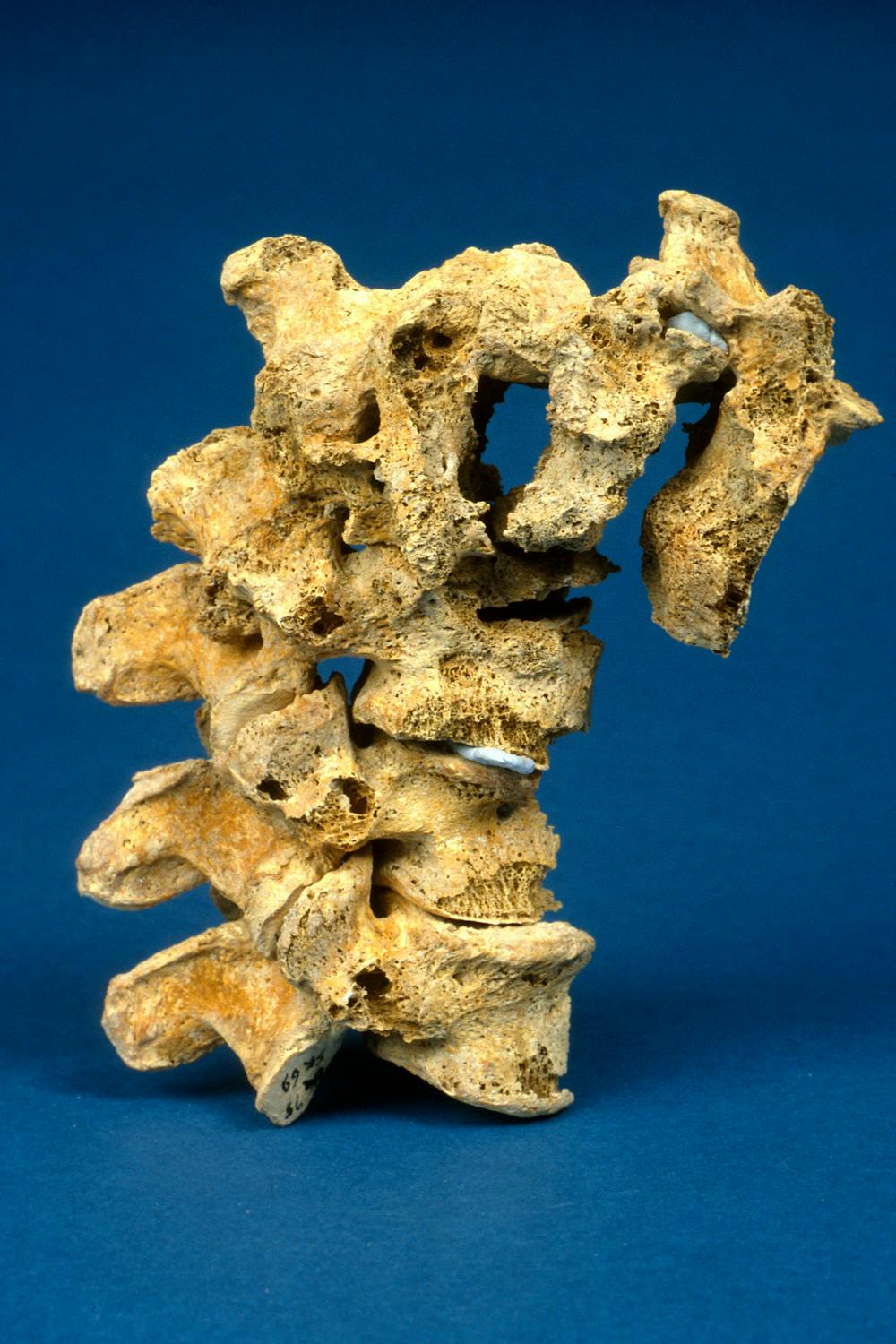
Tuberculosis leaves telltale markings in the spine.
For some infectious diseases, like syphilis, tuberculosis and leprosy, the location, characteristics and distribution of marks on a skeleton’s bones can serve as distinctive “pathognomonic” indicators of the infection.
Most skeletal signs of disease are non-specific, though, meaning bioarchaeologists today can tell an individual was sick, but not with what disease. Some diseases never affect the skeleton at all, including plague and viral infections like HIV and COVID-19. And diseases that kill quickly don’t have enough time to leave a mark on victims’ bones.
To uncover evidence of specific diseases beyond obvious bone changes, bioarchaeologists use a variety of methods, often with the help of other specialists, like geneticists or parasitologists. For instance, analyzing soil collected in a grave from around a person’s pelvis can reveal the remains of intestinal parasites, such as tapeworms and round worms. Genetic analyses can also identify the DNA of infectious pathogens still clinging to ancient bones and teeth.
Bioarchaeologists can also estimate age at death based on how developed a youngster’s teeth and bones are, or how much an adult’s skeleton has degenerated over its lifespan. Then demographers help us draw age profiles for populations that died in epidemics. Most infectious diseases disproportionately affect those with the weakest immune systems, usually the very young and very old.
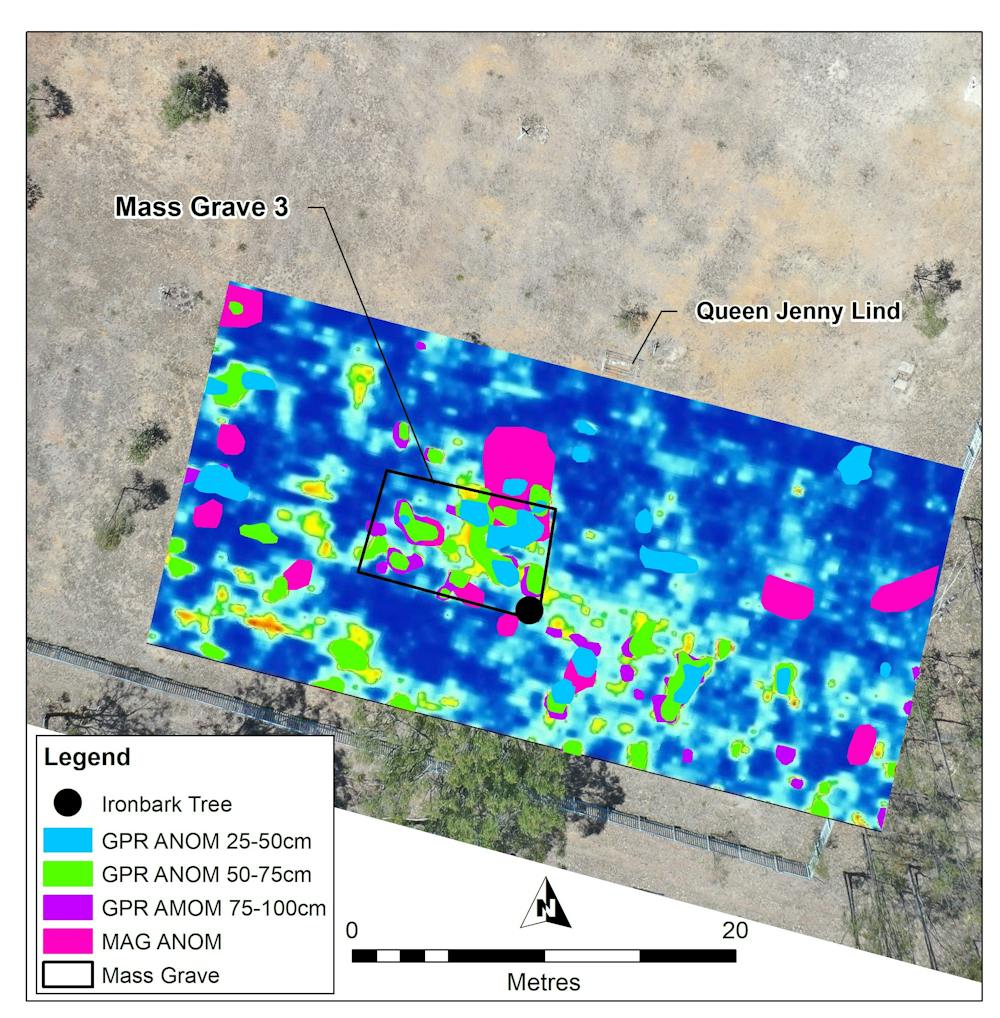
Ground penetrating radar shows mass graves from the small Aboriginal settlement of Cherbourg in Australia, where 490 out of 500 people were struck down by the 1918-1919 influenza pandemic, with about 90 deaths.
We can find out what infections were around in the past through our ancestors’ remains, but what does this tell us about the bigger picture of the origin and evolution of infections? Archaeological clues can help researchers reconstruct aspects of socioeconomic organization, environment and technology. And we can study how variations in these risk factors caused diseases to vary across time, in different areas of the world and even among people living in the same societies.
How infectious disease got its first foothold
Human biology affects culture in complex ways. Culture influences biology, too, although it can be hard for our bodies to keep up with rapid cultural changes. For example, in the 20th century, highly processed fast food replaced a more balanced and healthy diet for many. Because the human body evolved and was designed for a different world, this dietary switch resulted in a rise in diseases like diabetes, heart disease and obesity.
From a paleoepidemiological perspective, the most significant event in our species’ history was the adoption of farming. Agriculture arose independently in several places around the world beginning around 12,000 years ago.
Prior to this change, people lived as hunter-gatherers, with dogs as their only animal companions. They were very active and had a well balanced, varied diet that was high in protein and fiber and low in calories and fat. These small groups experienced parasites, bacterial infections and injuries while hunting wild animals and occasionally fighting with one another. They also had to deal with dental problems, including extreme wear, plaque and periodontal disease.
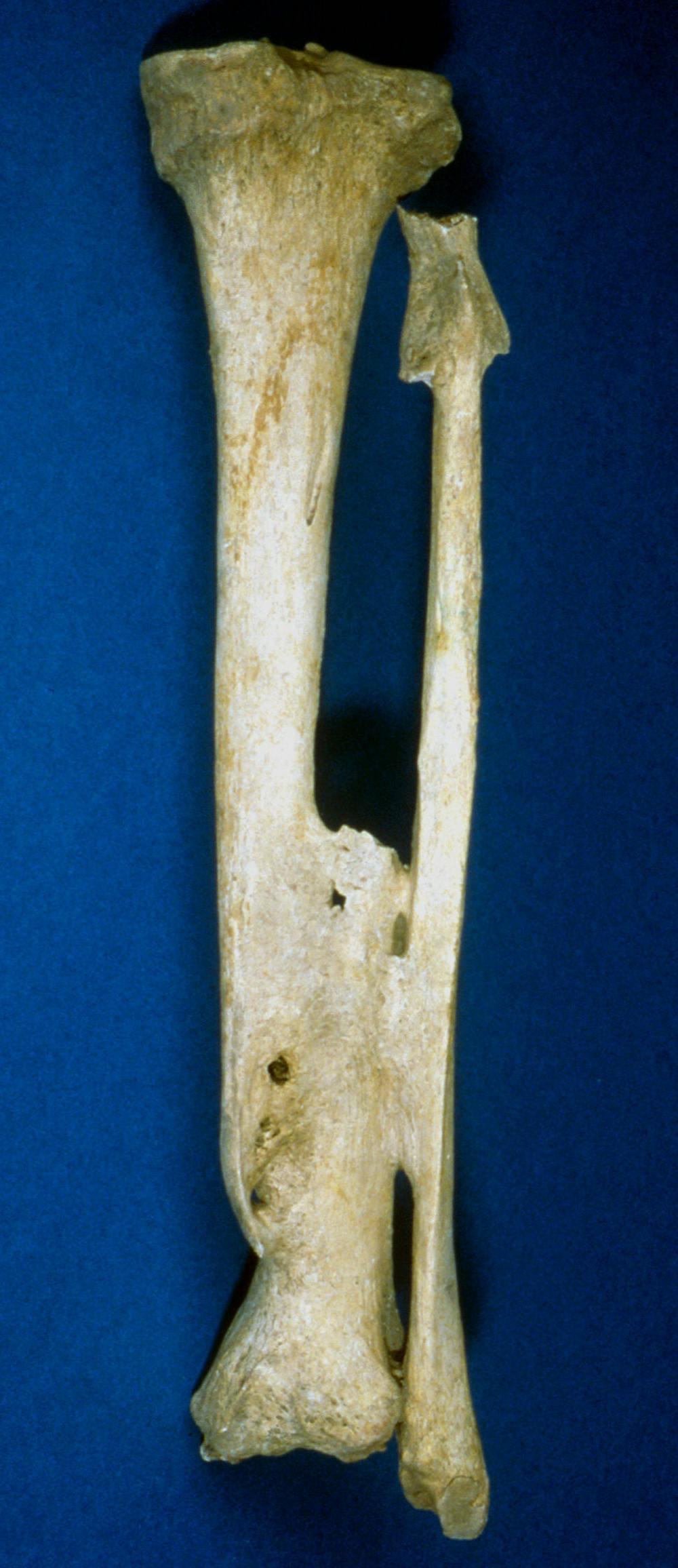
A healed fracture of the lower leg bones from a person buried in Roman Winchester, England.
One thing hunter-gatherers didn’t need to worry much about, however, was virulent infectious diseases that could move quickly from person to person throughout a large geographic region. Pathogens like the influenza virus were not able to effectively spread or even be maintained by small, mobile, and socially isolated populations.
The advent of agriculture resulted in larger, sedentary populations of people living in close proximity. New diseases could flourish in this new environment. The transition to agriculture was characterized by high childhood mortality, in which approximately 30% or more of children died before the age of 5.
And for the first time in an evolutionary history spanning millions of years, different species of mammals and birds became intimate neighbors. Once people began to live with newly domesticated animals, they were brought into the life cycle of a new group of diseases – called zoonoses – that previously had been limited to wild animals but could now jump into human beings.
Add to all this the stresses of poor sanitation and a deficient diet, as well as increased connections between distant communities through migration and trade especially between urban communities, and epidemics of infectious disease were able to take hold for the first time.
Globalization of disease
Later events in human history also resulted in major epidemiological transitions related to disease.
For more than 10,000 years, the people of Europe, the Middle East and Asia evolved along with particular zoonoses in their local environments. The animals people were in contact with varied from place to place. As people lived alongside particular animal species over long periods of time, a symbiosis could develop – as well as immune resistance to local zoonoses.
At the beginning of modern history, people from European empires also began traveling across the globe, taking with them a suite of “Old World” diseases that were devastating for groups who hadn’t evolved alongside them. Indigenous populations in Australia, the Pacific and the Americas had no biological familiarity with these new pathogens. Without immunity, one epidemic after another ravaged these groups. Mortality estimates range between 60-90%.
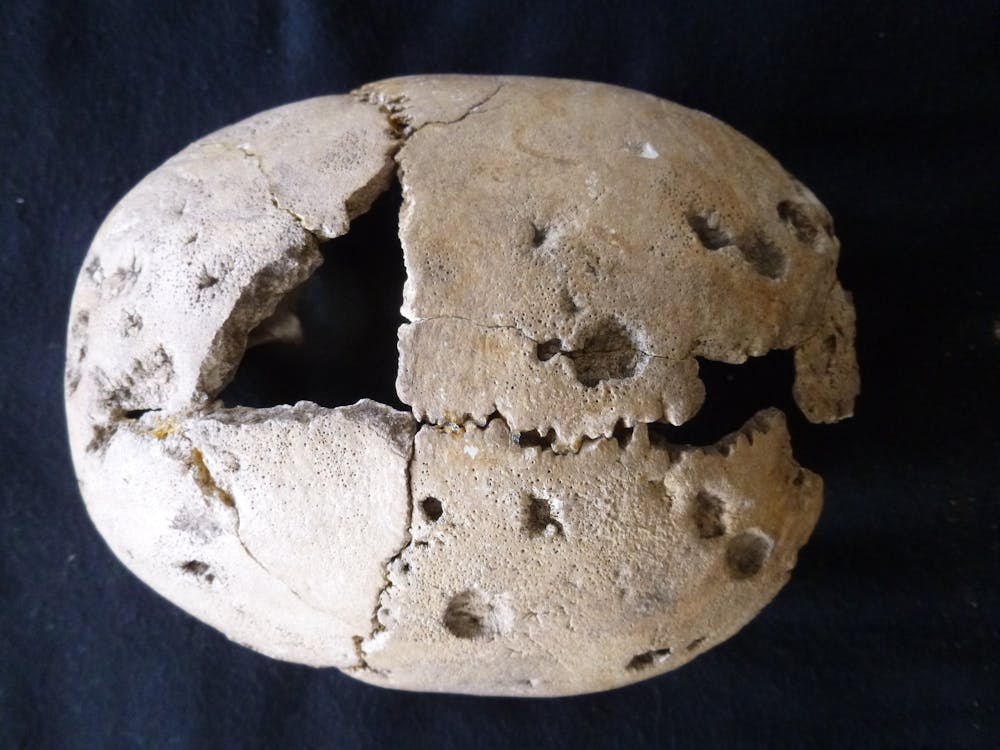
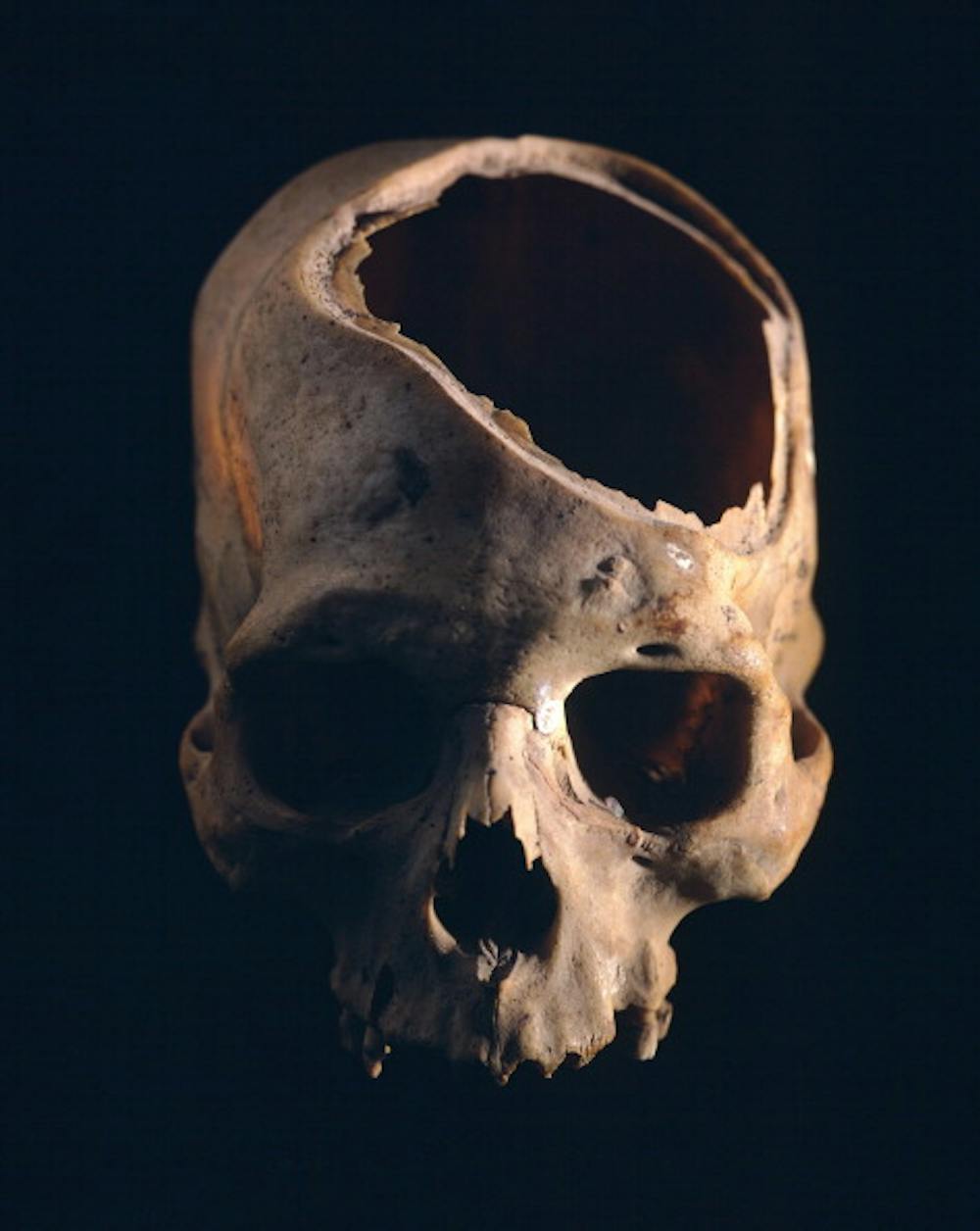
This skull of a person who lived more than 2,600 years ago in Peru shows evidence of a surgery, maybe to treat a head wound.
The study of disease in skeletons, mummies and other remains of past people has played a critical role in reconstructing the origin and evolution of pandemics, but this work also provides evidence of compassion and care, including medical interventions such as trepanation, dentistry, amputation and prostheses,
Other evidence shows that people have often done their best to protect others, as well as themselves, from disease. Perhaps one of the most famous examples is the English village of Eyam, which made a self-sacrificing decision to isolate itself to prevent further spread of a plague from London in 1665.
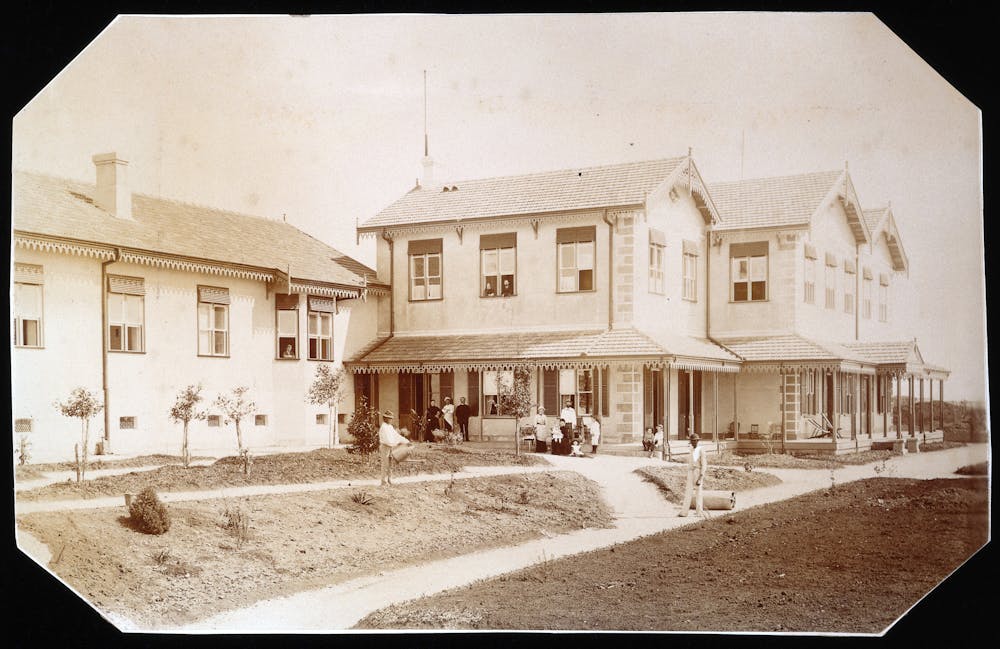
A tuberculosis sanatorium in São Paulo, Brazil, in the late 1800s.
In other eras, people with tuberculosis were placed in sanatoria, people with leprosy were admitted to specialized hospitals or segregated on islands or into remote areas, and urban dwellers fled cities when plagues came.
As the world faces yet another pandemic, the archaeological and historical record are reminders that people have lived with infectious disease for millennia. Pathogens have helped shape civilization, and humans have been resilient in the face of such crises.
"This is the worst public health crisis we've faced—and it has come at a time when we have the worst government in the world."
Brazil is now second only to the United States in terms of both Covid-19 cases and deaths, and its daily death toll is the highest in the world—conditions that public health officials within and beyond the South American country continue to partly blame on far-right President Jair Bolsonaro's "reckless" response to the pandemic.
As of Sunday afternoon, Brazil—home to an estimated 211 million people—had more than 850,500 confirmed Covid-19 cases and over 42,700 deaths, according to the Johns Hopkins global tracker. Journalists have repeatedly pointed out that the nation's official numbers are likely too low due to insufficient testing.
"This is the worst public health crisis we've faced—and it has come at a time when we have the worst government in the world," Daniel Dourado, a public health expert and lawyer from the University of São Paulo, told the Guardian. Dourado, who believes thousands of Brazilians could have been saved by a better government response, said, "The country is adrift."
Bolsonaro has faced months of criticism for downplaying the threat posed by the virus—dismissing it as a "little flu," refusing to wear a face mask or engage in social distancing, and challenging city and state lockdown restrictions that aimed to stop its spread. As the New York Timesreported Saturday, the president has also come under fire for "his promotion of unproven remedies" such as the anti-malaria drugs chloroquine and hydroxychloroquine.
"Decisions are being made not based on evidence and empirical data but rather on anecdotal reports," Denise Garrett, a Brazilian-American epidemiologist who worked at the Centers for Disease Control and Prevention for more than 20 years, told the Times. "Bolsonaro invested a huge amount of money into an action that has not been proven to be effective at the expense of increasing testing and contact tracing."
As the death toll continued to grow in São Paulo—Brazil's biggest city and a Covid-19 hot spot—the municipal funeral service announced Friday that it would begin digging up the bones of people who died at least three years ago, placing them in numbered bags, and temporarily storing them in large metal containers before sending the remains to several cemeteries to make space for new bodies.
Reporting on the conditions in São Paulo Saturday, the Associated Pressnoted that "some health experts are worried about a new surge now that a decline in intensive care bed occupancy to about 70% prompted Mayor Bruno Covas to authorize a partial reopening of business this week. The result has been crowded public transport, long lines at malls, and widespread disregard for social distancing."
Adenilson Costa, one of the workers who was exhuming remains in a blue protective suit at São Paulo's Vila Formosa cemetery on Friday, told the AP that "with this opening of malls and stores we get even more worried... This isn't over." Costa, who knows multiple people who have died from the virus, added: "People say nothing scares gravediggers. Covid does."
Drauzio Varella—a 77-year-old oncologist and broadcaster famous for his decades of public health activism—told the Guardian that "Brazil's situation is so worrying and so unique because if you look at the path the epidemic took—from China, through Asia, and then Europe and on to the U.S., Brazil was its first encounter with a country suffering from the kind of severe social inequality ours does."
"We are seeing this play out now in a country where 13 or 14 million people live in precarious conditions and great poverty," said Varella, who has previously criticized Bolsonaro's handling of the crisis. "The biggest problem we are seeing across Brazil right now is the epidemic spreading through the outskirts of cities and their rundown centers where you have tenements and the homeless live."
Although Covid-19 cases and deaths in the country have mostly been concentrated in cities, the Washington Postreported Friday that "Indigenous leaders say nearly 230 Indigenous people have already died, many in Brazil's most isolated reaches, and they expect that number to rise."
The Post detailed how the Kokama people in Brazil's Alto Solimões region, where "the only hope for advanced care is a plane ride to the faraway state capital of Manaus," are struggling to battle the virus with little help from any level of government:
The first Indigenous person in Alto Solimões to test positive for the novel coronavirus was infected by a government doctor who'd carried the disease back with him from vacation. Officials then ignored Indigenous requests that pandemic aid be delivered to them, leaving people no alternative than to leave the isolation of the forest to travel to cities and wait in lines to collect the $120 stipend. Dozens... returned to their villages coughing and feverish. The coronavirus soon ripped through the population. "The $120 of death," people now call the aid.
But the government didn't flood the villages with medical equipment, meal rations, coronavirus tests, and health professionals. Instead, it all but abandoned them, according to nine indigenous leaders, a review of official complaints and government officials who spoke on the condition of anonymity. With little guidance on how to proceed, and less medical equipment, the communities have been left to treat their sick and dying with herbal teas, lemon syrups and other traditional medicines.
"Help from the government? We've received nothing, nothing, nothing," said Sinésio Tikuna Trovão, leader of the Tikuna people. "We need oxygen. We need equipment. Our medicinal plants cure only some of the symptoms... We need more doctors to teach us. It isn’t easy. We need rapid tests."
Officials from the Amazonas state healthcare system and the federal Special Secretary for Indigenous Health "defended their responses—and blamed other agencies for any failings" in the region, according to the Post. Indigenous peoples in others states such as Pará and Roraima have "begun complaining the government had abandoned them, too."
Meanwhile, the United States, with a population of about 332 million people, remains the global leader in both confirmed Covid-19 cases and deaths. As of Sunday afternoon, over 2,090,000 people in the U.S. had confirmed cases and over 115,000 people had died.
Michael Osterholm, director of the Center for Infectious Disease Research and Policy at the University of Minnesota, told "Fox News Sunday" the impacts of ongoing protests against police brutality and easing lockdown restrictions, in terms of the cases, are not yet clear.
"I think that what we have here today is, we're not sure what's happening. We have 22 states where we have cases increasing, eight where it's level, and 21 states where its decreasing," he said. "We just have to be humble and say we're in an unsure moment right now."




 POOL/AFP / Kenzo TRIBOUILLARD